Top Flower Pot Moulds from China for Global Buyers?
In recent years, the demand for high-quality flower pot moulds has surged globally. Flower pot moulds play a critical role in the horticultural industry. They ensure flowers are beautifully presented and supported. China has emerged as a leading manufacturer of these moulds. This reputation is rooted in their innovative designs and durable materials.
Quality matters in flower pot moulds. Buyers often seek moulds that can withstand rigorous use. The right mould improves the final product's aesthetics and durability. Chinese manufacturers offer a wide variety of styles and sizes. This diversity attracts buyers worldwide.
However, not all moulds meet the high standards required. Some may lack precision or use inferior materials. It's vital for buyers to research and verify suppliers. Building relationships with reputable manufacturers can enhance the purchasing experience. A thoughtful approach can lead to finding the best flower pot moulds available.
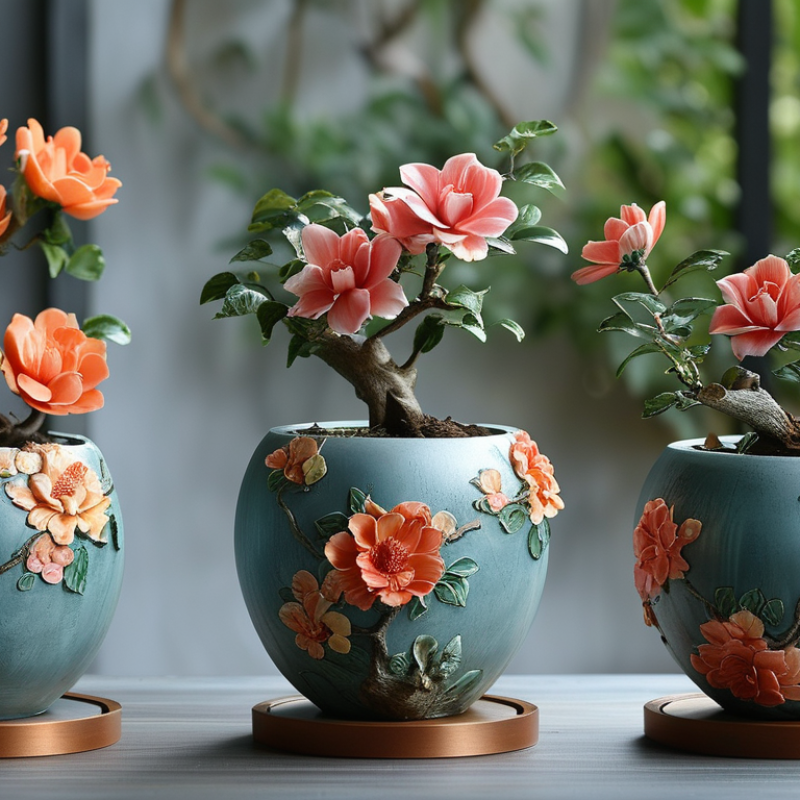
Types of Flower Pot Moulds Available in China
When exploring flower pot moulds in China, buyers encounter a diverse range of options. These moulds can be made from materials like plastic, metal, and silicone. Each type offers unique advantages and fits different production needs. For example, plastic moulds are lightweight and cost-effective. Metal moulds, however, can provide durability and precision. Silicone moulds are flexible and allow for intricate designs.
In addition to materials, the design of moulds varies significantly. Classic shapes include round, square, and rectangular pots. Some moulds feature innovative designs, such as stacking or self-watering pots. These designs cater to various market demands. More unique forms appeal to niche gardening enthusiasts. However, choosing the right mould can be overwhelming. Considerations like functionality, aesthetic, and production scale are essential.
Quality control remains a critical concern. Not all manufacturers adhere to the same standards. Ensuring moulds are made from safe, non-toxic materials is vital. Some buyers might face challenges in verifying manufacturers’ compliance. Therefore, thorough research and due diligence are necessary. The flower pot mould market in China is vast, but careful selection can lead to successful partnerships.
Materials Used in Manufacturing Flower Pot Moulds
When it comes to manufacturing flower pot moulds, the choice of materials plays a crucial role. Common materials include plastic, silicone, and metal. Each material offers unique benefits and potential drawbacks. Plastic is lightweight and cost-effective. It provides excellent durability and weather resistance. However, it can be less environmentally friendly, raising concerns about sustainability.
Silicone, on the other hand, is flexible and easy to handle. Moulds made from silicone can produce intricate designs and shapes. They are reusable and often considered safer for the environment. Yet, their higher costs can limit widespread adoption. Metal moulds, often used for high-volume production, are robust and long-lasting. Still, they may rust or corrode over time, posing challenges in certain climates.
Choosing the right material often requires a balance. Each type has advantages that fit particular production needs. However, some manufacturers may overlook the long-term implications of their choices. Understanding the impact of these materials is essential. Sustainable practices in mould manufacturing should not be neglected. As the market evolves, the push for more eco-friendly options will likely grow.
Top Chinese Manufacturers of Flower Pot Moulds
China plays a pivotal role in the global production of flower pot moulds. Numerous manufacturers contribute to this vast market, driven by increasing demand for sustainable gardening solutions. According to a recent report by Market Research Future, the global market for garden products, including flower pots, is expected to grow at a compounded annual growth rate (CAGR) of 5.4% from 2021 to 2028. This growth opens doors for Chinese manufacturers to expand their reach.
Leading Chinese companies are known for their advanced production techniques and competitive pricing. The use of modern materials, such as biodegradable plastics, is becoming mainstream. Some manufacturers are investing in eco-friendly technologies, aligning with global trends toward sustainability. However, not all players in the market maintain high standards. Quality control remains a concern, as inferior products can easily flood the market.
Additionally, sourcing and logistics can be challenging. Delays in shipping and fluctuating material costs impact production schedules. Buyers must communicate effectively with suppliers in China to mitigate risks. Strong relationships lead to better quality assurance. Reliable manufacturers prioritize client feedback. They strive for improvements, although not every company meets these expectations. Therefore, thorough research is crucial before making procurement decisions.
Top Flower Pot Moulds Production Volume in China
Global Distribution and Export Trends for Flower Pot Moulds
The global market for flower pot moulds is expanding rapidly. According to a recent report by Market Research Future, the expected growth rate for this sector is around 6.8% annually until 2025. Many buyers from various countries are increasingly interested in sourcing high-quality moulds from China.
An important factor driving this trend is the rise in gardening and indoor plant popularity. As people seek ways to beautify their living spaces, the demand for aesthetically pleasing pots grows. In 2023, the import volume of flower pot moulds reached over 200 million units globally. China remains a major supplier, providing innovative designs at competitive prices.
However, challenges also exist. Quality control and production standards can sometimes vary. Buyers must carefully vet suppliers to ensure they meet reliability criteria. Transparent communication is crucial for maintaining trust. Additionally, fluctuating raw material costs can impact pricing strategies. Sourcing flower pot moulds from China presents both opportunities and obstacles for global buyers.
Factors Influencing the Quality of Flower Pot Moulds from China
When it comes to sourcing flower pot moulds from China, quality is paramount. Several factors influence the durability and performance of these moulds.
Material selection is crucial. High-quality raw materials, like polycarbonate and high-density polyethylene, enhance strength.
A recent industry report indicates that moulds made from these materials can last up to 20% longer than those made from lower-quality alternatives.
Production processes are equally important. Advanced injection molding techniques ensure precision and consistency in each piece.
A survey of manufacturers reveals that those employing modern technology observe a 30% decrease in defects. However, not all manufacturers prioritize innovation.
This can lead to variable quality.
Tip: Always request samples before making a bulk purchase. Evaluating a prototype can reveal much about the manufacturer’s standards.
Another influence is the manufacturer's expertise. Experienced producers often have a deep understanding of market trends and customer needs.
This knowledge allows them to create more innovative designs. Yet, some newer companies may not meet these expectations.
Tip: Research the manufacturer's history and client reviews. Reliable feedback helps gauge potential quality.