How to Prevent Beer Storage Crate Mold in 2026?
Beer Storage Crate Mold can develop quietly in breweries, distribution centers, and retail back rooms. A crate may look clean. That is the trap. Moisture hides beneath bottle rims, inside seams, and between stacked plastic surfaces. Warm air, spilled beer, and poor airflow create an ideal environment for fungal growth.
The Brewers Association’s Draught Beer Quality Manual stresses disciplined cleaning, sanitation, drainage, and temperature control across beer-handling operations. These principles also apply to storage crates. The U.S. Environmental Protection Agency recommends drying wet materials within 24–48 hours and controlling indoor humidity to discourage mold growth. The Centers for Disease Control and Prevention similarly advises keeping indoor relative humidity below 50%, when possible. Small changes matter.
In practice, prevention begins with a documented inspection routine. Staff should separate damp crates, remove labels and residue, rinse visible soil, and use a verified food-contact-safe sanitizer. Crates need complete drying before stacking. A wet crate placed beneath a dry one can spread contamination through trapped condensation. It happens fast.
The World Health Organization’s Guidelines for Indoor Air Quality: Dampness and Mould connects persistent dampness with respiratory risks, reinforcing the importance of prompt corrective action. Still, warehouse conditions vary. A single humidity target cannot solve every problem. Ventilation, crate design, cleaning frequency, and storage density must be reviewed together. Some procedures may fail during peak season, especially when loading schedules become rushed. That weakness deserves attention, not concealment. This guide explains practical controls for reducing Beer Storage Crate Mold in 2026, while encouraging measurable checks, staff accountability, and continuous improvement.
Understanding the Causes of Mold in Beer Storage Crates
Mold in beer storage crates usually begins with trapped moisture, not the crate material alone. Warm beer bottles can create condensation when moved into a cool storeroom. Water settles inside corners, beneath bottles, and along rough surfaces. If the crate stays damp for several hours, mold spores can multiply.
Small amounts of beer, foam, or dust provide additional nutrients. A leaking bottle may leave a sticky film that looks harmless at first. Poor airflow makes the problem worse. Crates stacked tightly against walls cannot dry properly. Dark, warm storage areas also support faster fungal growth, especially above 20°C.
A practical inspection should check crate handles, drainage holes, and the underside. Look for gray spots, a musty smell, or slippery residue. Dry crates completely before stacking them again. Wash visible residue with a suitable food-contact cleaning method, then allow full air drying. I used to focus only on visible mold, but hidden moisture often caused the return. That mistake is easy to repeat. Replace badly cracked or deeply porous crates, because cleaning may not reach every contaminated layer. Keep bottles dry, leave small air gaps, and record recurring leaks or condensation near the storage area. Temperature changes matter more than many operators expect.
Inspecting and Cleaning Crates Before Beer Storage
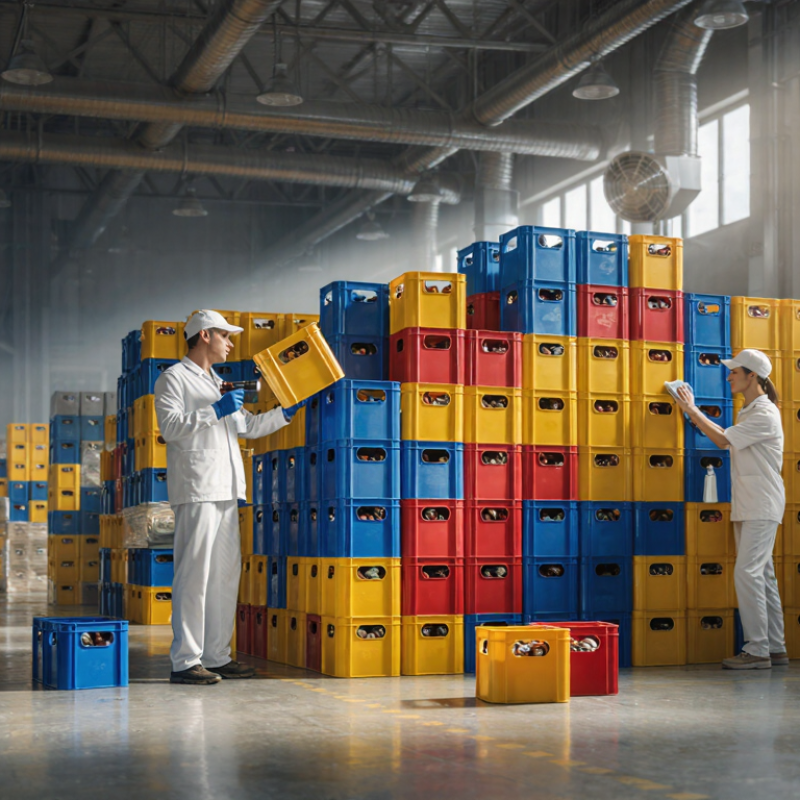
Inspect each crate before beer storage, even when it appears clean. Look inside corners, under handles, and along the base, where spilled beer and moisture can collect. Check for dark spots, musty odors, sticky residue, cracks, or rough areas that trap dirt. Take your time. A crate can look dry on the outside while seams remain damp. Separate any crate with visible mold so it does not contaminate clean ones. Avoid dry-brushing mold, which can spread particles into the air. Follow the crate material’s care instructions, and retire crates that are damaged or cannot be cleaned reliably.
Remove loose debris, then wash crates with warm water and a mild detergent suitable for the material. Scrub corners and handles with a clean brush, using steady pressure rather than scratching the surface. Rinse away all detergent and residue; leftover cleaner can transfer odors to bottles. Let crates dry fully in a clean, ventilated area, with enough space for air to reach their undersides. Stacking wet crates tightly slows drying. Before loading beer, check the seams and base by touch, not just by sight. It is easy to rush this step, and that is often where moisture gets missed.
How to Prevent Beer Storage Crate Mold in 2026
Pre-storage inspection and cleaning targets
These are recommended process targets, not measured survey results. Inspect every crate, clean away visible soil, rinse off cleaner, and let crates dry completely before stacking or storing them. Keep damp or musty crates out of beer storage.
Controlling Moisture, Airflow, and Storage Temperature
How to Prevent Beer Storage Crate Mold in 2026?
Controlling Moisture, Airflow, and Storage Temperature
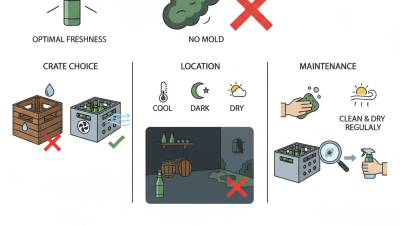
Mold prevention starts with moisture, not sprays. Dry crates completely after washing, including seams, handles, and the undersides of slats. Check the corners. A surface may feel dry while water remains trapped where pieces meet. If crates arrive damp, separate them and let air reach every side before stacking.
Air matters too. Leave small gaps between stacks and keep crates away from wet walls, dripping pipes, and unventilated corners. A fan can help move stagnant air, but it should not blow dust directly onto clean containers. In a humid room, a simple hygrometer gives a clearer picture than guesswork; keeping relative humidity below 60 percent helps reduce mold risk. I would not trust one reading alone. Check again during humid weather.
Store crates in a stable, cool area, away from heaters and direct sunlight. Rapid temperature changes can create condensation on cooler surfaces, even when the room does not look wet. Inspect stored crates regularly for musty odors, dark spots, or tacky patches. Clean affected crates according to their material, then dry them fully before returning them to storage. Tight stacking saves floor space, but it can hide dampness for weeks.
Monitoring Crates and Preventing Mold Recurrence in 2026
How to Prevent Beer Storage Crate Mold in 2026?
Monitoring Crates and Preventing Mold Recurrence in 2026
Mold prevention depends on catching moisture before it settles into crate seams. Check crates after washing, delivery, and cold-room storage. Look closely at corners, handles, and rough scratches, where droplets can linger. Record inspection dates, damp areas, cleaning, and drying times. A simple log helps reveal repeat trouble spots. It also makes missed checks easier to notice.
The U.S. Environmental Protection Agency’s A Brief Guide to Mold, Moisture and Your Home advises drying wet materials within 24–48 hours to help prevent mold growth. Apply that window as a practical target, not a guarantee: crate materials and airflow differ. Separate damp crates, improve ventilation, and dry them fully before stacking. If musty odors or visible growth return, inspect the storage area for leaks, condensation, or poor air circulation. Cleaning the crate alone may not fix the cause.
Tips: Use a flashlight to check dark joints. Keep a small humidity meter near the crate stack and note readings during humid weather. Rotate stock so older crates are inspected, not buried. One weak point is relying on appearance alone; mold can start in hidden seams. Check those seams even when the outside looks clean.