10 Essential Tips for Choosing the Right Welding Pallet
When selecting the right Welding Pallet, numerous factors come into play. Understanding these elements is essential for ensuring optimal performance and safety in your welding projects. A Welding Pallet must support your equipment and accommodate the materials you will be working with.
Consider the dimensions, weight capacity, and design of the pallet. Each aspect contributes to the overall efficiency of your operations. Additionally, think about the level of durability required. Not all pallets are created equal, and using an inadequate one may lead to unexpected complications.
Moreover, reflect on the certifications your chosen Welding Pallet should hold. Compliance with industry standards, like ISO or CE, is crucial. However, finding a pallet that meets these qualifications can be challenging. Make sure to weigh the pros and cons of each option available in the market. Ultimately, investing time and thought into your selection process will pay off, leading to improved welding outcomes.
Understanding Different Types of Welding Pallets and Their Features
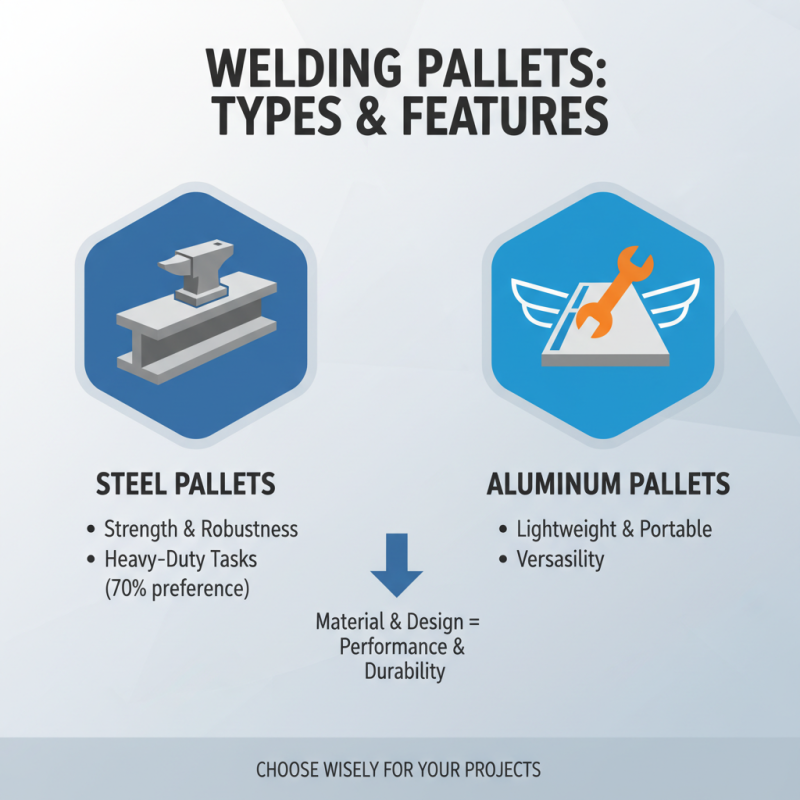
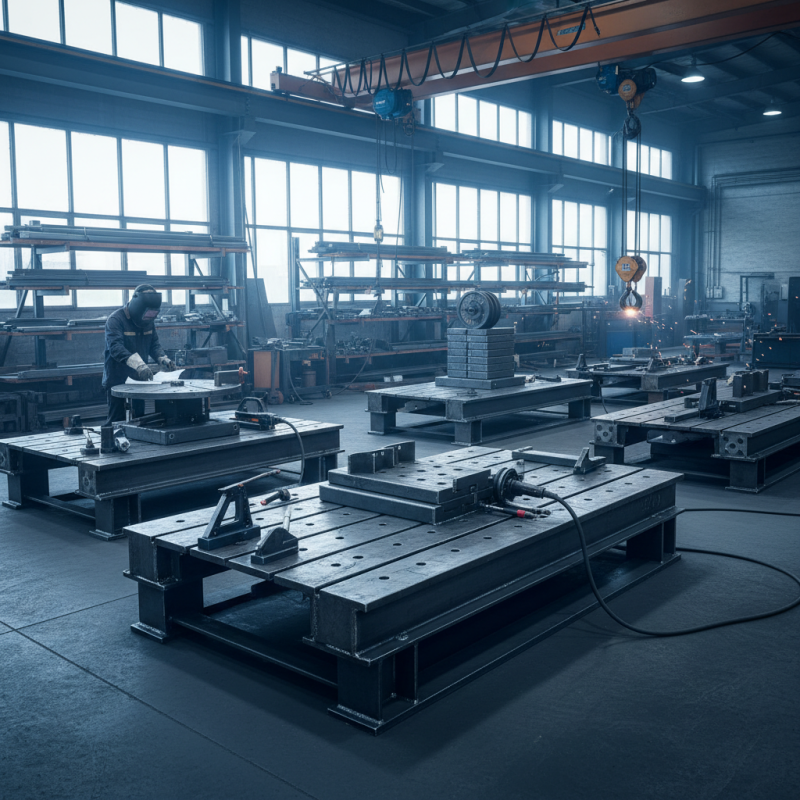
When selecting a welding pallet, understanding the various types and their features is crucial. Welding pallets generally fall into categories based on their material and design, each affecting performance and durability. For instance, steel pallets offer strength and robustness, while aluminum pallets are lightweight and more portable. According to industry reports, around 70% of welders prefer steel pallets for heavy-duty tasks due to their stability.
Different designs also impact usability. Some pallets are equipped with adjustable heights, catering to diverse welding tasks. Others incorporate slots for tools, enhancing efficiency. A study indicated that effective tool organization can boost productivity by up to 30%. However, not all pallets accommodate specific welding techniques, which can lead to inefficiencies. Misplacing the right pallet for a job can result in increased fatigue or even project delays.
Quality varies significantly across the market. Cheaper options may compromise on essential features, leading to safety hazards. A fluid welding process requires selecting a pallet that meets safety standards. Understanding these features makes it easier to avoid common pitfalls. Always assess what fits your specific needs and working conditions.
Evaluating Material Durability and Load Capacity for Welding Pallets
Choosing the right welding pallet involves careful consideration of material durability and load capacity. Durable materials like steel or high-density plastic offer excellent support. They withstand wear and tear over time. However, not all steel is created equal. Some may rust quickly or warp under heavy loads.
Load capacity is another crucial factor. Each pallet has a specific weight limit. Exceeding this limit can lead to accidents or equipment damage. Evaluate the load capacity based on your specific welding projects. Consider factors like frequency of use and types of materials being welded. Smaller projects may require less durable options. Larger, heavy-duty requirements may need reinforced pallets.
Sometimes, customers overlook these details, leading to poor choices. An underwhelming pallet can significantly impact workflow efficiency. Opting for balance between cost and quality is often a tricky challenge. It's essential to assess all variables before making a decision. Remember, what seems budget-friendly now may cost more in the long run.
Load Capacity and Material Durability of Welding Pallets
Assessing Ergonomic Design for Improved Worker Safety in Welding
Choosing the right welding pallet is crucial for worker safety and efficiency. Ergonomic design plays a significant role in this process. When selecting a pallet, consider its height and adjustability. A well-designed pallet reduces strain on workers' backs. Proper handling height minimizes bending and reaching. These factors can lead to fewer injuries and improved productivity.
When assessing ergonomics, evaluate the weight distribution of the pallet. A balanced pallet allows for easier maneuverability. It also reduces fatigue during long hours of work. Look for features that enhance stability. Non-slip surfaces can make a big difference in safety. Remember, safety equipment should never be overlooked.
Pay attention to the materials used in the pallet's construction. Lightweight yet durable options should be prioritized. Heavy pallets can lead to accidents, especially in tight spaces. Incorporating these considerations can make a noticeable difference in the workplace. An ergonomic pallet is not just a luxury; it is a necessity for a safer working environment.
Considering Industry Standards and Compliance for Welding Equipment
When selecting welding pallets, industry standards and compliance are often overlooked. Many users focus on price and availability first. However, these factors do not ensure safety and efficiency. Compliance with safety regulations protects workers and ensures reliable operations. Choosing pallets that meet these standards can prevent accidents.
Look for pallets that align with ANSI and AWS guidelines. This ensures that your equipment is compliant. You might find some options appealing but take extra precautions. Not every product on the market adheres to these benchmarks. Skipping due diligence can have serious repercussions. Investing time in research now can save issues later.
Considering the environment of your operation is also crucial. For example, did you think about exposure to heat or sparks? Not all pallets can withstand harsh conditions. Evaluate your workspace carefully. It can help you select a more suitable option. Sometimes, the best choice comes from discussions with peers in the industry. Their insights can lead you to better alternatives.
10 Essential Tips for Choosing the Right Welding Pallet - Considering Industry Standards and Compliance for Welding Equipment
| Tip Number |
Tip Description |
Industry Standard |
Compliance Factors |
| 1 |
Evaluate Load Capacity |
ANSI / AWS D1.1 |
Ensure pallets can support required weight |
| 2 |
Consider Material Type |
ASTM A36 |
Material must meet specific strength and durability standards |
| 3 |
Check Dimensions and Size |
AWS B5.23 |
Match pallet size to welding workspace |
| 4 |
Assess Stability and Safety Features |
OSHA Regulations |
Design must prevent tipping and ensure safe handling |
| 5 |
Evaluate Ease of Cleaning |
ISO 19001 |
Pallets must be easy to maintain and clean to prevent contamination |
| 6 |
Look for Certification Labels |
ISO 9001 |
Verify compliance with recognized standards |
| 7 |
Consider Customization Options |
N/A |
Ability to tailor pallets to specific welding tasks |
| 8 |
Analyze Cost and Budget |
N/A |
Balance quality with financial resources |
| 9 |
Research Manufacturer Reputation |
N/A |
Choose reliable producers with a track record |
| 10 |
Request User Feedback and Testimonials |
N/A |
Gather insights from current users about functionality |
Analyzing Cost-Effectiveness and Long-Term Investment in Welding Pallets
When selecting a welding pallet, cost-effectiveness is key. A high upfront cost can be intimidating. However, a well-chosen pallet can save you money in the long run. Look for durable materials. A quality pallet withstands wear and reduces the need for frequent replacements. Consider how often you will use it. Regular usage increases the value of a solid investment.
Thinking about long-term benefits is essential. A cheap pallet may seem appealing but could fail quickly. Take into account potential repair costs. Repairs can add up. Choose pallets that offer a balance of price and longevity. Additionally, look for design features that enhance functionality. Features like adjustable heights can be a game-changer.
Here are a few tips. Examine warranties and after-sales support. These can reflect the manufacturer's confidence in their product. Also, evaluate your specific needs. Sometimes, a custom solution may serve you better. Remember, every detail counts. Investing wisely today pays off tomorrow in efficiency and productivity.